
Unveiling the cultural significance of casinos in modern society
Unveiling the cultural significance of casinos in modern society
The Historical Context of Casinos
Casinos have a rich history that traces back centuries, serving as social hubs where individuals gathered not only to gamble but also to engage in various forms of entertainment. Initially, these establishments were associated with elite social classes, often located in luxurious venues that catered to high-stakes gamblers. Interestingly, with the rise of technology, many enthusiasts now explore best online poker sites for real money as alternatives to traditional venues. Over time, however, the appeal of casinos expanded, becoming accessible to a broader audience and becoming ingrained in popular culture.
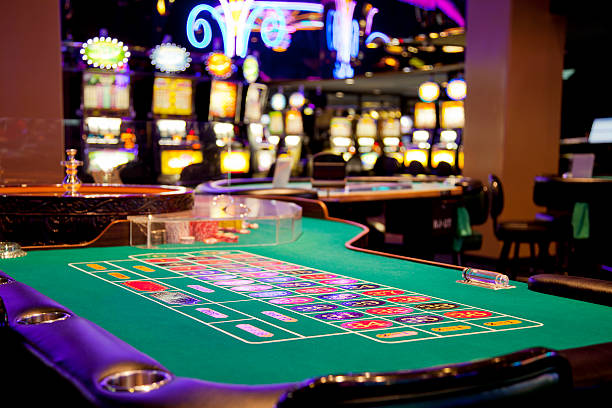
This evolution reflects societal changes in attitudes toward gambling, with casinos evolving from exclusive venues to mainstream entertainment complexes. Today, they often feature not just gaming tables and slot machines, but also restaurants, theaters, and shopping, creating a holistic entertainment experience that attracts millions of visitors each year.
Cultural Representation in Media
Casinos have been depicted in various forms of media, including films, literature, and television, significantly influencing public perception and cultural significance. Iconic films like “Casino Royale” and “Ocean’s Eleven” glamorize the casino experience, portraying it as a thrilling yet dangerous world filled with intrigue and high stakes. Such representations contribute to the mystique surrounding casinos, often blurring the lines between reality and fiction.
Moreover, these media portrayals shape societal views on gambling, influencing everything from fashion trends to tourism. The glamorous lifestyle associated with casinos often attracts individuals who wish to experience the allure depicted onscreen, driving cultural tourism and boosting local economies.
The Role of Casinos in Social Interaction
Beyond gambling, casinos serve as vital social spaces where people come together to celebrate, socialize, and bond. The ambiance of a casino can foster connections among strangers, making it a unique setting for social interaction. Whether it’s cheering for a winning hand or sharing a meal in a luxurious restaurant, casinos provide experiences that bring people closer together.
Furthermore, casinos often host events and tournaments, promoting community engagement and participation. These activities not only enhance the entertainment value but also create a sense of belonging among participants, making casinos more than just gambling venues but important social institutions.
The Impact of Online Casinos
The rise of online casinos has transformed the gambling landscape, enabling users to enjoy casino games from the comfort of their homes. This digital shift has made gambling more accessible, appealing to a tech-savvy generation that seeks convenience. Online platforms offer a vast array of games, often with innovative features that enhance the gaming experience, such as live dealer options and interactive gameplay.
However, the proliferation of online casinos also raises concerns about responsible gambling and addiction. As accessibility increases, so do the discussions around the need for regulation and safeguards to protect consumers. Balancing the excitement of online gambling with responsible practices is crucial for the sustainability of this evolving industry.

The Future of Casinos in Society
As society continues to evolve, so will the role of casinos. Innovations in technology, changes in consumer behavior, and shifts in cultural attitudes toward gambling will all shape the future landscape of these establishments. Casinos may increasingly become multifaceted entertainment hubs that incorporate virtual reality experiences, immersive gaming, and personalized services to attract and retain customers.
Ultimately, the cultural significance of casinos will continue to adapt, reflecting broader societal trends and values. As they navigate this dynamic environment, casinos will likely reinforce their position as both cultural landmarks and sources of economic contribution in modern society.